


Jun 15 2026, 9.34am / Features
To Joey & Brooke, I’ve written a lot of words on this site, but none …
MORE: FANGZ: Our Top 5 Bands Playing Halloween Hysteria // FROM CRISIS TO COLLAPSE: Talk Us through Their Essential Deserted Island Albums REVIEWS: KORN: Requiem // GHOST: Impera // DREAM WIDOW: Dream Widow // NERDLINGER: Hollywood Ritz // PUP: The Unraveling Of PUPTheBand // MESHUGGAH: Immutable // BAKERS EDDY: Love Boredom Bicycles // INERTIA: Memoria
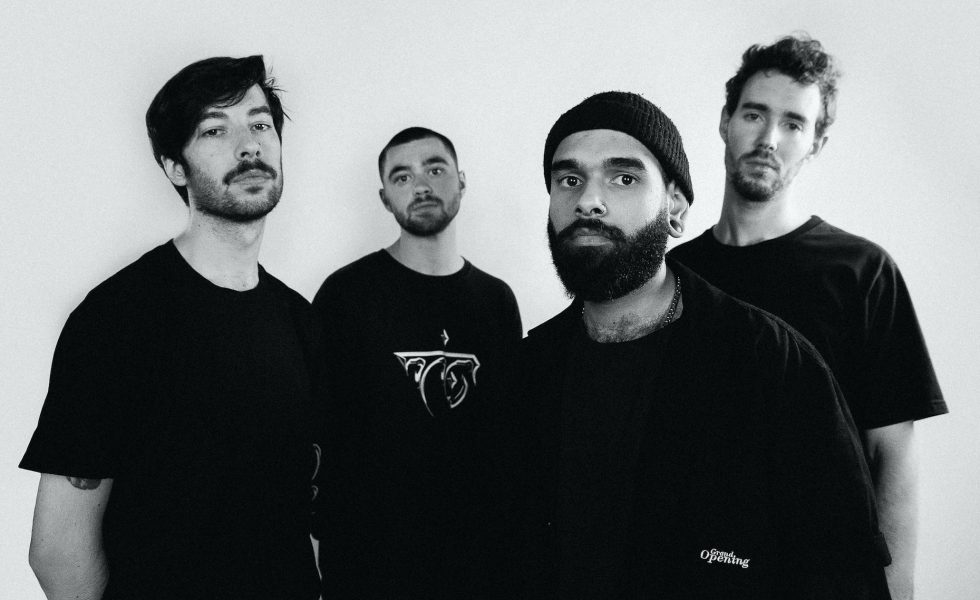
When we first gave it a spin, we were struck by the band’s fresh perspective on metalcore and the fact they covered a scope of heavy topics like inequality and identity struggles. We caught up with vocalist Julian LaTouche, who gave us some insight into each track.
I started writing the Memoria EP about two years ago. The first song we started was Hivemind. It was right at the height of lockdown, so it was a huge transition period for everyone. I started feeling a bit depressed initially, so I went back to my psychologist, and she told me I needed to focus on a project. So after the instrumentals for Hivemind were complete, I thought, why don’t we make the EP more of a project. I wrote a narrative to go along with it. The intention was to keep the music digestible and not too full of information. The songs still needed to be catchy.
Arisaka is kind of like the opening scene of that narrative/novel. We introduce the protagonist, and essentially it’s a boss battle opening, where she’s taking on a bunch of goons. At the time, I was thinking about the world and how it was changing. I thought about capitalism and how much of our time we dedicate to things that aren’t our hobbies or what we genuinely love. A lot of us work day to day for someone else’s profit and gain.
This reflects in the story. The protagonist has lost something, and she feels like she needs to get revenge and reclaim what she’s lost, which you can hear in the lyrics. There are key points in them that reflect this, such as the line in the chorus, I sacrifice, you profit. That’s the capitalist mentality, someone has to pay for something, and it’s always this one entity that runs the whole operation that seems to be profiting.
Hivemind was created at the start of the project. I wanted to start with a world-builder, something that set the tone for the novel and essentially the whole EP. The novel is based in the future. It’s cyberpunk. The way I imagined the future, especially with the way we’re going now, was with further division through money. There’s always been that division between rich and poor, and that’s been made even more apparent now in certain countries. The cost of capitalism is essentially what inspired Hivemind. The earth has finite resources, and we consume so much, so we got a bit environmentalist too.
We don’t have to be slaves to a brand. Fashion doesn’t need to be five seasons a year. You don’t have to update your wardrobe every year. All of this helped paint the world of the novel. This dystopian future where things have gotten worse.
The experience was really inspirational, and it got me excited to write music when there were no shows or releases, and things were shit for the industry.
[Julian LaTouche]
After the big fight in Arisaka, our protagonist goes after the boss of those goons. It’s her ex-husband, and she eventually finds out that he took their child off her when it was born and started testing on them with cybernetics. The protagonist is now trying to get revenge for that and trying to find this lost son of hers. We look at her in her apartment in the slummy part of the city, and she’s just reflecting on her journey. She’s just killed someone; what does that say about her?
She knows what she has to do to get to her son, but it’s not who she wants to be. She doesn’t want to resort to violence. To me, that touches on the complexities of decision making. The older you get, the more repercussions your decisions have. It’s scary, and it’s a fear of mine knowing you might not make the right decision. And knowing that it could have big impacts on you and define you.
There’s this innate nature in us that keeps us going. We still make decisions even when we don’t want to. Parallels is all about the quest for happiness. We want to make the right decisions because we want to have a happy outcome when we reflect on our lives. We want to be able to say we had a good life, not the contrary.
Following on from Parallels, our protagonist has decided to go after her son, who’s now in the hands of a corporation designing cybernetics. Nemesis is the boss battle. She goes and takes on the head of the corporation. At the time, the BLM movement was happening, and it made me think about the history of people who’ve been oppressed. I was inspired by all the responses from the protest. I wanted to write a song, but I didn’t want it to be too in your face.
The theme of Nemesis is essentially oppression and the idea of comparative suffering. We’re all suffering to a degree, and the second you start comparing your suffering to that of others is when you start to see a disconnect between people. There’s also anger towards the elite in the track too. There are all these sprinkles of anti-capitalism too.
Going back to that earlier point. Nemesis is essentially the giant boss battle. She ends up going against her son, who’s now fully cybernetic and barely recognisable as a person. The last hurdle she has to overcome is determining whether or not she should kill him or not. Because it’s not really him, and it’ll end up being her or him. That’s where we end Nemesis. With her wallowing in her decision.
After that giant boss battle, our protagonist returns to the slums, and she starts rebuilding her son using her own memories. I was really inspired by this movie Solaris. It’s a Soviet science fiction film from the 1970s. I liked the idea of memories and what would happen if you took them out of one person and put them in another.
So our protagonist has had to do all these awful things to get what she wanted, and she’s now grappling with her identity and what her actions say about her and who she’ll be. The song’s start is her rebuilding her son, flicking the switch and all this information flooding into this cyborg. But everything that was there before is still there. He’s in contradiction with his own brain.
For me, I was exploring identity. Whoever raises you has a significant impact on your identity. As children, we’re sponges, and we soak up everything. As you get older, you either love the things you got from your parents, or you hate them. But it doesn’t have to define you as a person. You can go against the grain. You can still be your own person.
We also took inspiration from growing up, figuring out your identity and changing things you don’t like about yourself. And accepting the things you can’t change because they’re so ingrained in you.
At the end of the story, the son comes back to life, but he’s got all this knowledge. He’s got all the memories from his mother and what his dad put in him. He ends up killing his mum and then burning down the whole slum city, and that’s where we end things. On a nice, melancholy miserable note. If you’ve listened to the EP, the music was written to reflect that.
As a whole, the Memoria EP was the first one we wrote together. Usually, we’d have one person writing one part or someone writing a song, and we’d all just add our bits. Being stuck inside, we had a lot of time to work collaboratively. It was really good to explore these topics together and get everyone’s interpretations. The experience was really inspirational, and it got me excited to write music when there were no shows or releases, and things were shit for the industry. Having the time to dive into something bigger than five songs and a CD was good. I wanted to make something a little more tangible.

